Types of Pests that Infest Pets (Dogs and Cats)
Dogs and cats in Nairobi face constant threats from external and internal pests thriving in Kenya's tropical climate. PestPro Kenya identifies fleas, ticks, mites, lice, mosquitoes, rodents, and intestinal worms as primary invaders that transmit diseases, cause allergies, and weaken pets. These parasites not only irritate but can lead to anemia, zoonotic infections, and even death if untreated, making pet-safe control essential for households in areas like Westlands, Kilimani, and Eastlands.
External Parasites: Skin and Coat Invaders
External pests live on a pet's skin, fur, or feathers, feeding on blood or skin debris. They spread rapidly in multi-pet homes or yards with poor hygiene.
Fleas (Ctenocephalides felis and canis) dominate as Kenya's most common pet pest, infesting 90% of affected dogs and cats. These tiny, wingless insects jump up to 30cm, biting relentlessly and causing Flea Allergy Dermatitis (FAD) with symptoms like intense itching, hair loss, and secondary infections. Fleas transmit tapeworms (Dipylidium caninum) when pets groom infested areas, completing their life cycle in 2-3 weeks. In humid Nairobi seasons, one female flea lays 50 eggs daily, turning homes into breeding grounds.
Ticks—hard (e.g., Rhipicephalus sanguineus) and soft varieties—embed in ears, armpits, and between toes, swelling after blood meals. They carry Rocky Mountain Spotted Fever, Ehrlichiosis, and Babesiosis, leading to fever, lethargy, and organ failure. Brown dog ticks thrive indoors year-round in Kenya, resisting standard treatments.
Mites cause mange: Sarcoptic (scabies) burrow painfully, producing crusty lesions; Demodex mites exploit immune-weak pups, creating bald patches. Ear mites (Otodectes cynotis) in cats produce dark, coffee-ground discharge and head shaking.
Lice (chewing or sucking types) cling to fur, visible as slow-moving specks, irritating scalps and causing dandruff-like shedding.
Internal Parasites: Hidden Gut Threats
These invade digestive, blood, or tissue systems via ingestion, skin penetration, or vectors like fleas.
Roundworms (Toxocara canis/cati) resemble spaghetti in vomit or stool, prevalent in 40% of Kenyan strays. Puppies ingest eggs from contaminated soil or mother's milk, risking blindness (larva migrans) or intestinal blockage.
Hookworms (Ancylostoma spp.) latch onto intestines, sucking blood and causing anemia—pale gums, bloody diarrhea, stunted growth. Larvae penetrate paw pads during yard play.
Tapeworms (Dipylidium caninum, Taenia spp.) appear as rice grains near anuses, transmitted by fleas or raw meat. They rob nutrients, leading to weight loss.
Whipworms (Trichuris vulpis) embed in large intestines, causing chronic diarrhea and dehydration.
Vectors and Environmental Pests
Mosquitoes inject heartworm larvae (Dirofilaria immitis), blocking lung vessels in severe cases. Nairobi's standing water fuels outbreaks.
Rodents don't infest directly but drop fleas/ticks in pet food or attack sleeping cats. Rats carry Leptospirosis via urine.
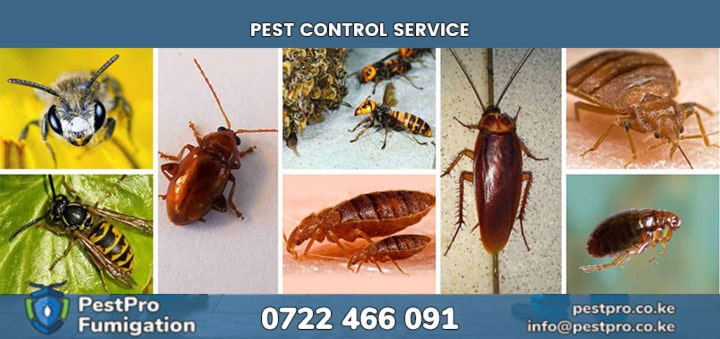
Stinging insects (bees, wasps) trigger anaphylaxis in sensitive pets; spiders like black widows bite paws.
Health Impacts and Zoonotic Risks
Pests weaken immunity, opening doors to bacteria. Fleas/ticks vector Lyme disease; worms cause malnutrition. Zoonoses like Toxocara infect children via contaminated soil, emphasizing prevention in Kenyan homes. Untreated, 20-30% of infested pets face vet emergencies.
PestPro Kenya's Pet-Safe Solutions
PestPro employs IPM: diatomaceous earth for fleas, nematodes for larvae, gel baits for rodents, and heat treatments—all residue-free. Quarterly checks prevent re-infestation by 95%.
Top Considerations for Pet Infestations
PestPro Kenya evaluates:
-
Pet Age/Health: Puppies/kittens/seniors need gentler treatments; immune-compromised pets prioritize non-chemical options.
-
Infestation Stage: Early signs (itching) use preventives; severe cases combine deworming with environmental control.
-
Environment: Indoor/outdoor access, yard vegetation, multi-pet dynamics dictate strategies.
-
Seasonal Factors: Rainy seasons target mosquitoes; dry spells focus termites/rodents.
-
Zoonotic Potential: Prioritize high-risk parasites like Toxocara.
-
Resistance Patterns: Test for chemical-resistant strains common in urban Kenya.
-
Follow-Up Protocol: Monitor 2-4 weeks post-treatment.
Service Costs and Duration
| Pest Type | Estimated Cost (KES) | Duration | Re-Entry/Follow-Up |
|---|---|---|---|
| Flea/Tick Control | 4,000 - 8,000 | 2-4 hours | 2 hours/30 days |
| Mange/Mite Treatment | 5,000 - 10,000 | 3-5 hours | 4 hours/14 days |
| Intestinal Worms | 3,000 - 6,000 | 1-2 hours | Immediate/quarterly |
| Mosquito/Heartworm | 4,500 - 9,000 | 2-3 hours | 2 hours/30 days |
| Rodent-Related | 6,000 - 12,000 | 3-6 hours | Immediate/60 days |
| Comprehensive IPM | 10,000 - 20,000 | 4-8 hours | 4 hours/90 days |
Costs for standard homes; free quotes via PestPro app.
Prevention Strategies
Daily: Groom pets, vacuum thoroughly, wash bedding hot.
Weekly: Check ears/paws, clean yards, store food airtight.
Monthly: Vet-approved spot-ons/orals; diatomaceous earth barriers.
Environment: Seal cracks, mow lawns, eliminate standing water.
PestPro recommends hybrid vet-pest control partnerships for holistic care.
Why Act Fast?
Early intervention saves KES 5,000+ in vet bills. PestPro's AI-optimized services ensure rapid, safe eradication, restoring harmony.
Contact PestPro Kenya for inspections—protect your dogs and cats from these insidious pests today.
