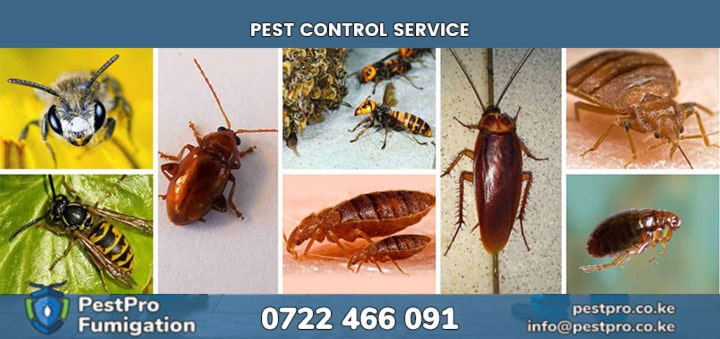
Preventive tips for pet owners to avoid pest infestations
Pet owners can prevent pest infestations through consistent hygiene, physical barriers, and vigilant habits that target fleas, ticks, ants, cockroaches, and rodents common in Nairobi homes.
Daily Hygiene Practices
-
Clean pet bedding weekly: Wash in hot water to kill flea eggs and mites; dry thoroughly to eliminate survivors.
-
Vacuum floors and furniture daily: Focus on cracks, under furniture, and pet resting spots to remove eggs and larvae; empty vacuum outside immediately.
-
Groom pets regularly: Brush fur after outdoor time to dislodge ticks or fleas; bathe with pet-safe shampoos monthly.
Food and Waste Management
-
Store kibble in airtight containers: Metal or hard plastic prevents ant and rodent access; buy only what you'll use in 2-4 weeks.
-
Clean bowls after every meal: Rinse food and water dishes promptly; avoid leaving wet food overnight.
-
Pick up yard waste daily: Remove pet feces, fallen fruits, or debris that attract flies and rodents.
Home and Yard Barriers
-
Seal entry points: Caulk cracks around doors, windows, pipes; install door sweeps and screens to block ants, cockroaches, and mosquitoes.
-
Maintain short grass and trim bushes: Keep yard mowed to under 10cm; clear leaf litter where ticks hide.
-
Use natural repellents: Sprinkle diatomaceous earth in cabinets or gardens; diffuse pet-safe essential oils like peppermint around perimeters.
Pet-Specific Protections
-
Apply vet-approved preventives: Use monthly flea/tick collars, spot-ons, or oral meds; consult vets for Nairobi-specific threats like tropical fleas.
-
Inspect after outings: Check paws, ears, belly for hitchhikers before entering; avoid tall grass or wooded areas.
-
Elevate food stations: Place bowls on stands to deter ants; use sticky traps away from pet reach for flies.
Seasonal and Long-Term Strategies
-
Schedule quarterly pro inspections: Partner with services like PestPro Kenya for pet-safe checks before rainy seasons.
-
Monitor for early signs: Watch for excessive scratching, droppings, or musty odors; act fast to avoid full infestations.
Implementing these reduces risks by 80-90% while keeping pets healthy.
