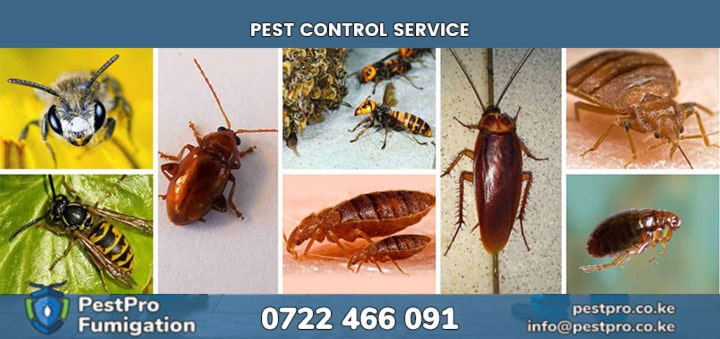
Kiambu Coffee Farmers: Protecting Your Crops from Destructive Pests
Kiambu Coffee Farmers: Protecting Your Crops from Destructive Pests
Coffee farming in Kiambu County, Kenya, is a cornerstone of the region’s economy, but destructive pests pose significant threats to crop yields and quality. Protecting coffee plantations requires proactive strategies, integrating traditional methods with innovative solutions to ensure sustainable production. This article outlines key pest challenges and effective management practices for Kiambu coffee farmers.
Common Pests Threatening Coffee Crops
Kiambu’s warm climate and fertile soils make it ideal for coffee, but also a breeding ground for pests like the Coffee Berry Borer (CBB), mealybugs, and leaf rust. The CBB, a small beetle, burrows into coffee cherries, reducing yield by up to 80% in severe infestations. Mealybugs sap plant nutrients, weakening coffee trees, while leaf rust, a fungal disease, causes defoliation and reduced photosynthesis. These pests thrive in Kiambu’s humid conditions, necessitating vigilant monitoring and control measures.
“Coffee Berry Borer can destroy up to 80% of yields if not managed early.” – FarmBizAfrica
Integrated Pest Management (IPM) Strategies
Integrated Pest Management (IPM) combines multiple approaches to minimize pest damage while reducing reliance on chemical pesticides. Regular field monitoring is critical to detect early signs of infestation, such as discolored leaves or damaged cherries. Farmers can use sticky traps to capture CBB and monitor pest populations. Cultural practices, like timely pruning and removing fallen berries, reduce pest habitats. Additionally, maintaining shade trees cools the microclimate, deterring pests like CBB that prefer warmer conditions.
“A food forest system with shade trees can naturally control pests by creating a balanced ecosystem.” – Caleb Odondi Omollo, Farmer
Natural and Biological Controls
Biological controls leverage natural predators to manage pest populations. Introducing predatory insects, such as ladybugs for mealybugs, can reduce pest numbers without harming the environment. Birds and snakes, as part of a food forest system, also help control nematodes and other pests. Organic solutions, like neem oil or biopesticides such as Kata Shield, offer effective alternatives to synthetic chemicals, preserving soil health and coffee quality.
“Kata Shield effectively prevents coffee berry borer and leaf rust, protecting crop quality.” – Kata.com
Technological Innovations for Pest Control
Advancements in technology provide new tools for pest management. In Kiambu, platforms like FarmSawa use AI to diagnose crop diseases from photos sent via WhatsApp, offering real-time advice on pest control. This is particularly valuable given the low ratio of extension officers to farmers (1:1,500–1:5,000). Drones can also monitor large plantations, identifying pest hotspots for targeted interventions. These innovations empower farmers to act swiftly, minimizing crop losses.
“FarmSawa’s AI chatbot diagnoses crop diseases in seconds, helping farmers act quickly.” – Kennedy Kabue, FarmSawa Innovator
Collaborative Efforts and Community Support
Collaboration among farmers strengthens pest control efforts. Kiambu’s 23 coffee cooperative societies have united to form the Kiambu County Coffee Farmers Association, sharing resources like fertilizers and knowledge on pest management. Government initiatives, such as providing specially blended fertilizers to reduce soil acidity, support healthier coffee plants less susceptible to pests. Engaging with neighbors to synchronize pest control measures prevents the spread of pests like CBB, which can travel short distances.
“Collective action through cooperatives helps farmers access resources and combat pests effectively.” – Francis Maara, Kiambu County Coffee Cooperative
Sustainable Practices for Long-Term Protection
Sustainability is key to long-term pest management. Climate adaptation techniques, such as planting shade trees, protect coffee plants from extreme weather that exacerbates pest issues. Using organic fertilizers like Dynopack can rejuvenate trees affected by diseases like Fusarium. Farmers should also diversify crops within a food forest system to enhance resilience against pest outbreaks. By combining these practices, Kiambu farmers can safeguard their coffee crops for future generations.
“Planting shade trees is a climate adaptation technique that reduces pest vulnerability.” – Kahawa Tungu